Understanding the Ships in the
U.S.–Venezuela Naval Buildup
Here’s a breakdown of the principal U.S. Navy ship classes and specific vessels reported to be operating near Venezuela, with key characteristics, followed by what’s publicly known about Venezuelan naval assets entering the picture.
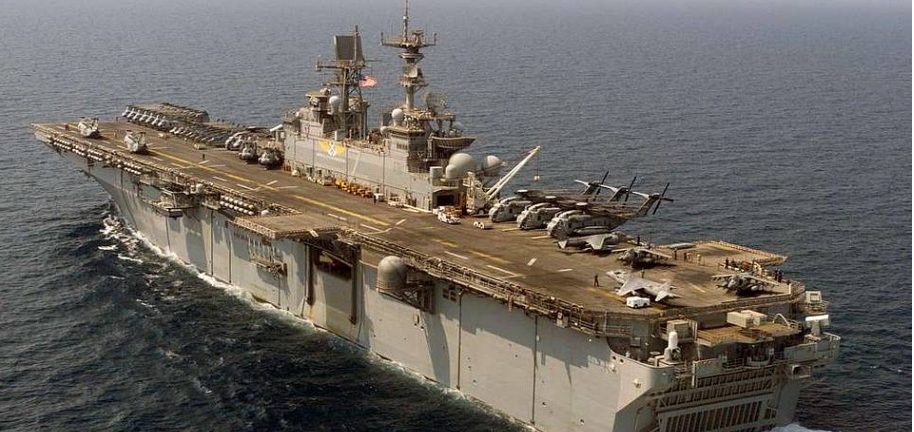
Ship: USS Iwo Jima (LHD-7)
The USS Iwo Jima is a Wasp-class amphibious assault ship designed to spearhead Marine expeditionary operations. In an assault, it serves as a floating base capable of projecting thousands of Marines, aircraft, and landing craft directly onto hostile shores. Its flight deck and hangar allow it to operate MV-22 Osprey tiltrotors, AV-8B Harrier II (or F-35B) jets, and helicopters for air assault missions. Simultaneously, its well deck launches LCAC hovercraft and amphibious assault vehicles to carry troops, armor, and supplies ashore. With integrated command-and-control systems, it can coordinate complex operations combining air, sea, and ground elements. Essentially, the Iwo Jima can deliver a self-sustaining Marine Expeditionary Unit from ship to shore, establish a beachhead, and support follow-on operations inland — a modern evolution of the classic amphibious assault doctrine.
Displacement/Size: ~41,150 tons, length ~257 meters.
Crew: Ship’s company ~1,100; approximately 700–1,000 embarked Marines (22nd MEU).
Weapons & Systems: Sea Sparrow launchers, Phalanx CIWS, Rolling Airframe Missile (RAM), multiple machine guns. Embarks MV-22B Osprey tiltrotor aircraft, AV-8B Harrier II or F-35B (depending), helicopters, and landing craft for amphibious operations.
Age: Commissioned in 2001.
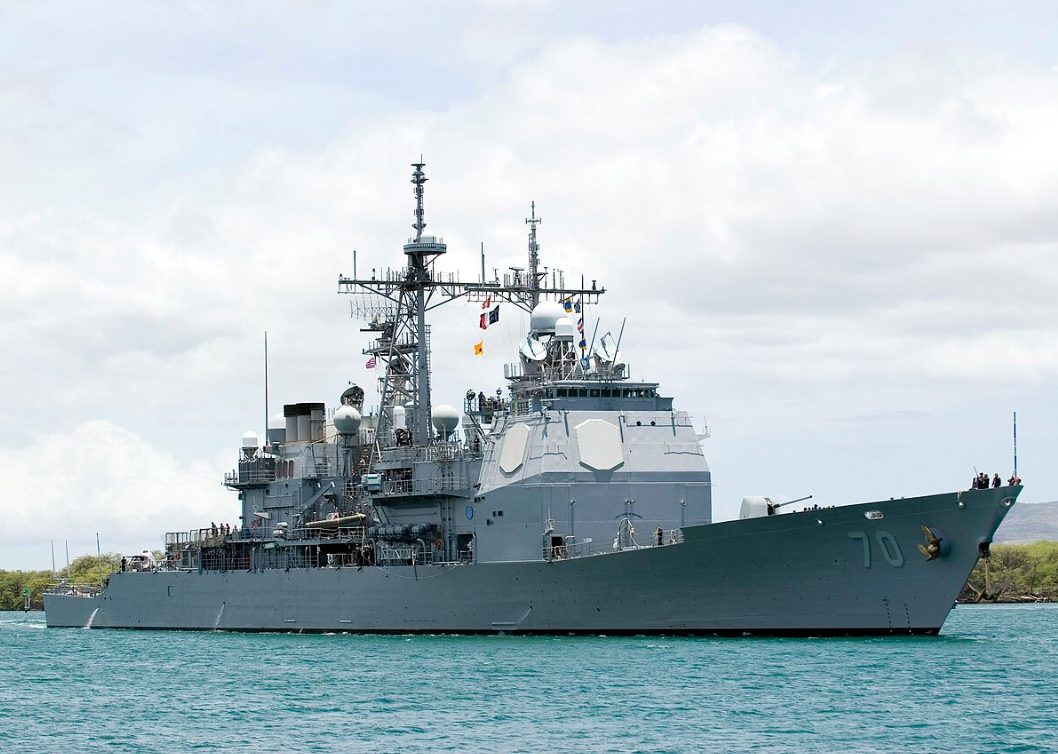
USS Lake Erie -
Ticonderoga-class Guided-Missile Cruiser
Ship: USS Lake Erie (CG-70)
Displacement/Size: ~9,800 tons, length ~173 meters.
Crew: ~400 officers and enlisted.
Weapons & Systems: Aegis Combat System similar to destroyers; VLS with SM-series, Tomahawk cruise missiles, ASROC; Mk 45 5-inch gun, Phalanx CIWS, Harpoon anti-ship missiles, anti-submarine torpedoes; radar for ballistic missile defense (BMD-capable).
Age: Commissioned in 1993.
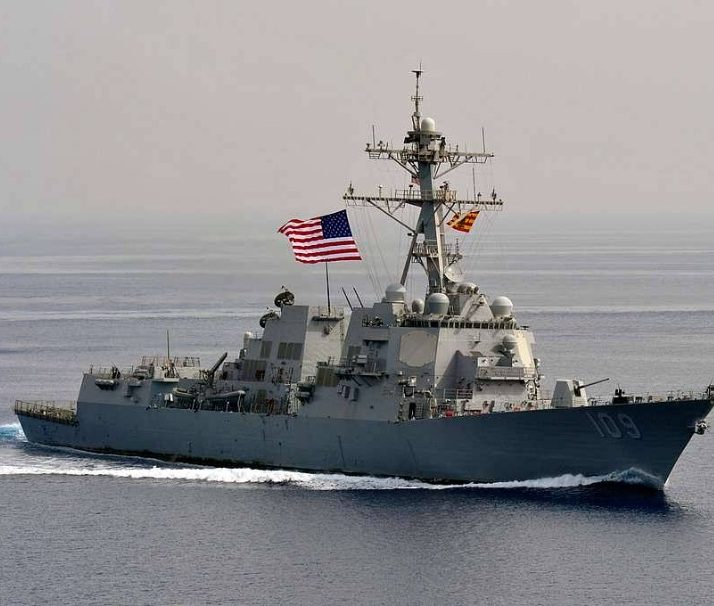
Arleigh Burke-class Destroyers
Ships: USS Gravely (DDG-107), USS Jason Dunham (DDG-109), USS Sampson (DDG-102) Newsweek+2gCaptain+2
Displacement/Size: ~9,500 tons (full load), length ~155 meters.
Crew: Approx. 330 officers and enlisted (varies by mission load-out).
Weapons & Systems: Aegis Combat System; Standard SM-2/SM-6 surface-to-air missiles, Tomahawk cruise missiles, ASROC anti-submarine rockets, Harpoon anti-ship missiles (some retrofitted), Mk 45 5-inch (127 mm) gun, Phalanx CIWS, multiple machine guns, and vertical launch system (VLS) cells. Helicopter capability via MH-60R/S.
Age: This class has been in service since the early 1990s; these particular hulls joined active duty between 2005 and 2012.
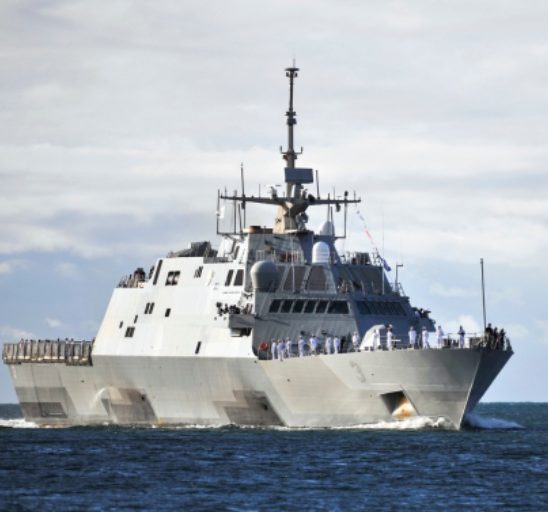
USS Minneapolis–Saint Paul (LCS-21)
Freedom-class Littoral Combat Ship (LCS)
Displacement/Size: ~3,500–4,000 tons, length ~115 meters.
Crew: Core crew ~40 sailors but mission modules may bring total to ~75–100.
Weapons & Systems: Mk 110 57 mm gun, Rolling Airframe Missile launcher, SeaRAM, machine guns; modular mission packages (e.g., ASW, mine-countermeasures, surface warfare).
Age: Commissioned in December 2023 (relatively new).
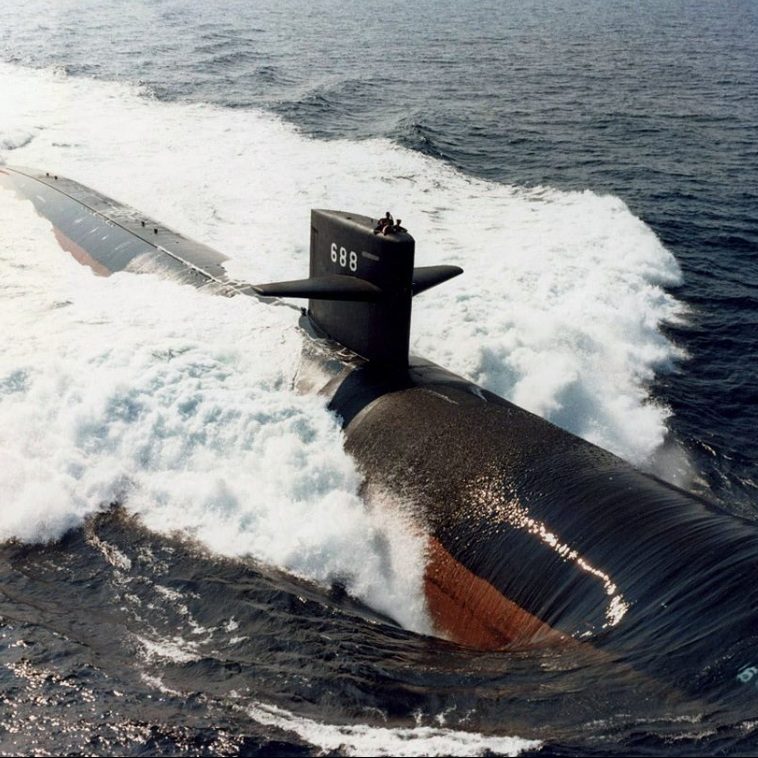
USS Newport News (SSN-750)
Los Angeles-class Fast-Attack Submarine
Displacement/Size: ~6,900 tons submerged, length ~110 meters.
Crew: ~130–140 personnel.
Weapons & Systems: Mk 48 torpedoes, Tomahawk cruise missiles (in later variants), sonar suites for stealth operations, and anti-submarine warfare equipment.
Age: Commissioned in 1989.
Venezuelan Naval Vessels Reported or Likely Involved
Information on specific Venezuelan ships deployed in response is more limited in open sources.
However, recent announcements and reporting indicate:
Venezuela’s Defense Minister announced deployment of “military vessels” in Caribbean Sea and other territorial waters, especially near the Colombian border. Approximately 15,000 personnel to participate. AP News
No publicly identified classes or names of specific Venezuelan warships have been confirmed in recent major reporting.
Nevertheless, general knowledge of Venezuelan naval assets includes:
Guaiquerí-class Ocean Patrol Vessels (POVZEE)
Example: Guaiquerí, among the patrol boats built by Navantia (Spain).
Displacement/Size: Around 2,000–2,300 tons, ~85–90 meters length.
Crew: Approx. 50–60.
Weapons & Systems: 76 mm gun, possibly light machine-guns, RHIBs, helicopter deck.
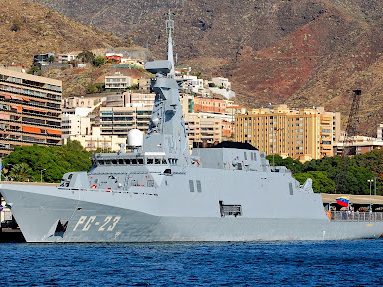
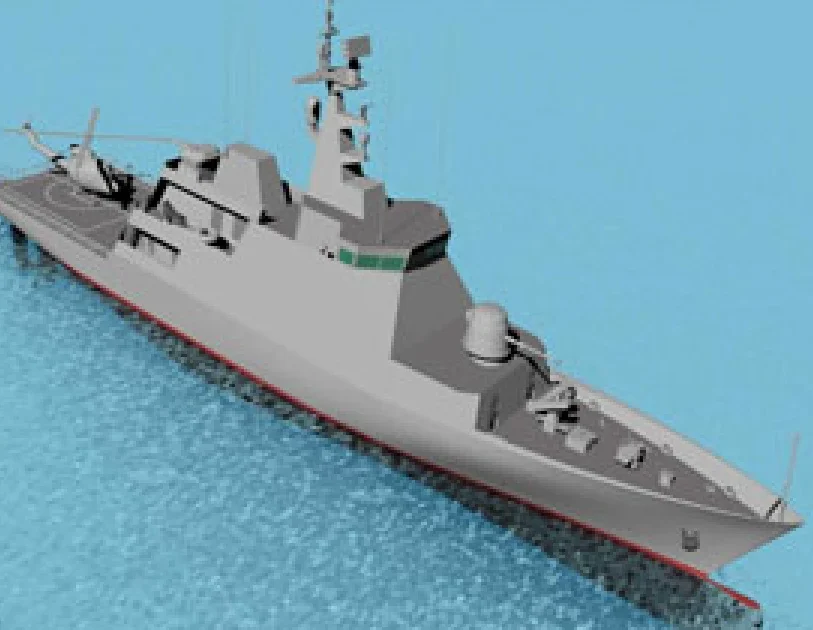
ANBV Yavire (GC-22)
Litoral Surveillance Vessel (Buque de Vigilancia de Litoral)
Displacement/Size: ~1,720 tons, length ~79.9 meters.
Weapons & Systems: OTO Melara 76 mm main gun, Millennium CIWS (close-in), two 12.7 mm machine guns.
Note: One of the 3 ships of this class (ANBV Naiguatá) sank in 2020 after collision with a passenger ship
David and Goliath
The U.S. has deployed a potent mix of surface combatants, amphibious ships with embarked Marines, and a fast-attack submarine—covering nearly every maritime warfare domain. Venezuela, by contrast, fields fewer and older vessels, relying heavily on patrol craft, limited air assets, and militia mobilization. The qualitative and quantitative imbalance underscores how Washington’s naval operation imposes strategic pressure across multiple fronts—sea, air, sub-surface, and amphibious.